Stories of Change

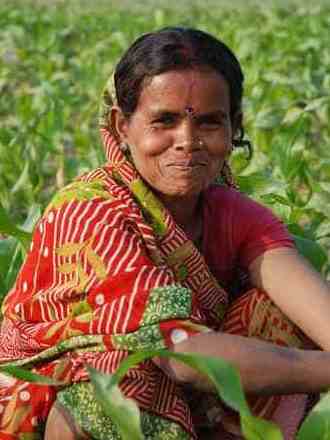
CASE STUDY 1 : MOTIVATION CHANGED THE SITUATION
Arati Das, 40 years age is a literate woman (class x pass) and also can communicate well. As an active borrower of SUWS she also motivates other women to have productive loan to meet up their aspirations. She is also being associated with Village health sanitation and nutrition committee as a health worker and performed duties in maintaining cleanliness. She was given training on health, nutrition, immunization and hygiene. She motivated village women to solve their problems in collective manner. All the village women not only appreciate her but also follow her guidance. Arati organized a meeting of village women and convinced them that their children are in the school and it is their responsibility to maintain its standard of attendance, cleanliness etc. The teacher provided list of absentee students for motivation to attend the school. Arati along with other women not only motivated the children and their parents but also visited door to door daily for bringing students to school.
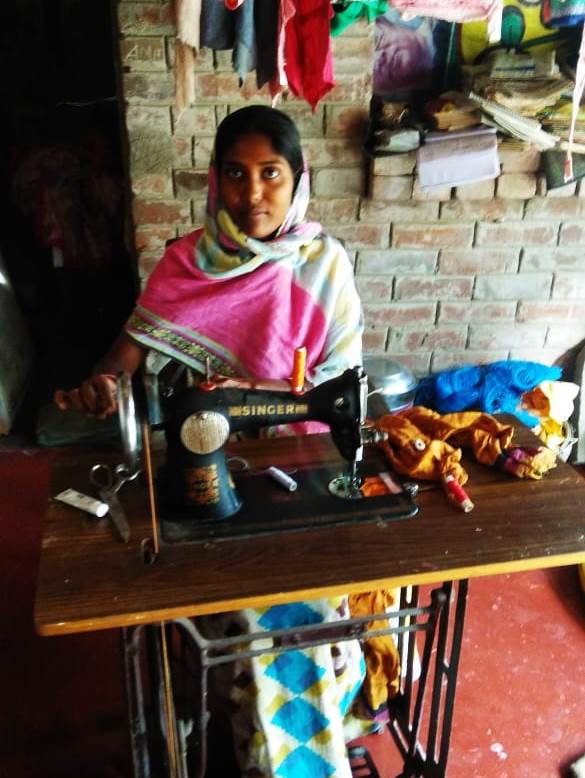
CASE STUDY-2: WOMEN POWER IS MORE IMPORTANT
Married at just 16 after completing the eighth standard, Madhumita Sabui, now 28 and living in a Hooghly village, refused to let financial constraints limit her family’s future. When her son Ayushman turned six, she realized her husband’s small farming income was insufficient and decided to leverage her tailoring skills, though buying a sewing machine was financially out of reach. Recognizing her determination, the Social Welfare Society (SUWS) sponsored her for a four-week MSME sewing training and helped her secure a low-interest loan from the Gramin Bank to buy her first machine. Through disciplined, timely repayments and a thriving business, she successfully secured a second loan to purchase an e-rickshaw for her husband. Today, their hard work has transformed their lives, elevating them from poverty to a concrete house with a modern two-pit latrine, while Ayushman safely studies in Class II toward Madhumita’s ultimate dream of seeing him graduate from college.
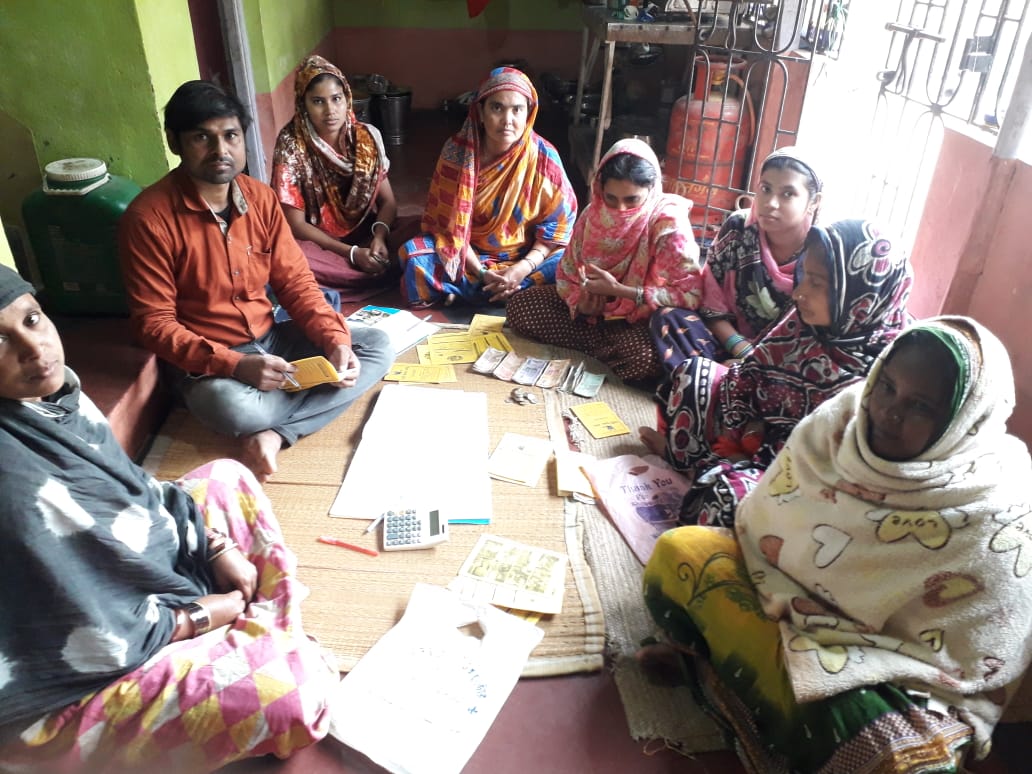
CASE STUDY 3 : IMPACT OF GROUP COHESIVENESS AND LOYALTY
Driven by a shared desire to uplift their village in পুরুলিয়া, a group of 15 determined women formed the “NOBI” group five years ago, leveraging financial services and microfinance facilitated by the Sahara Utsarga Welfare Society (SUWS) to promote gender equality and self-reliance. Eight of the members initially secured loans to start independent income-generating activities, while the entire group actively attended SUWS awareness camps focused on vital health topics like safe water and sanitation. Their empowerment turned into community action three years ago when a vital local hand pump broke down; rather than waiting indefinitely for funding after their complaints to the local Gram Panchayat went unanswered, the women pooled their own money to repair it immediately. This decisive action proved their deep understanding of the urgent need for clean, potable drinking water and established them as proactive leaders capable of solving their village’s critical infrastructure needs.
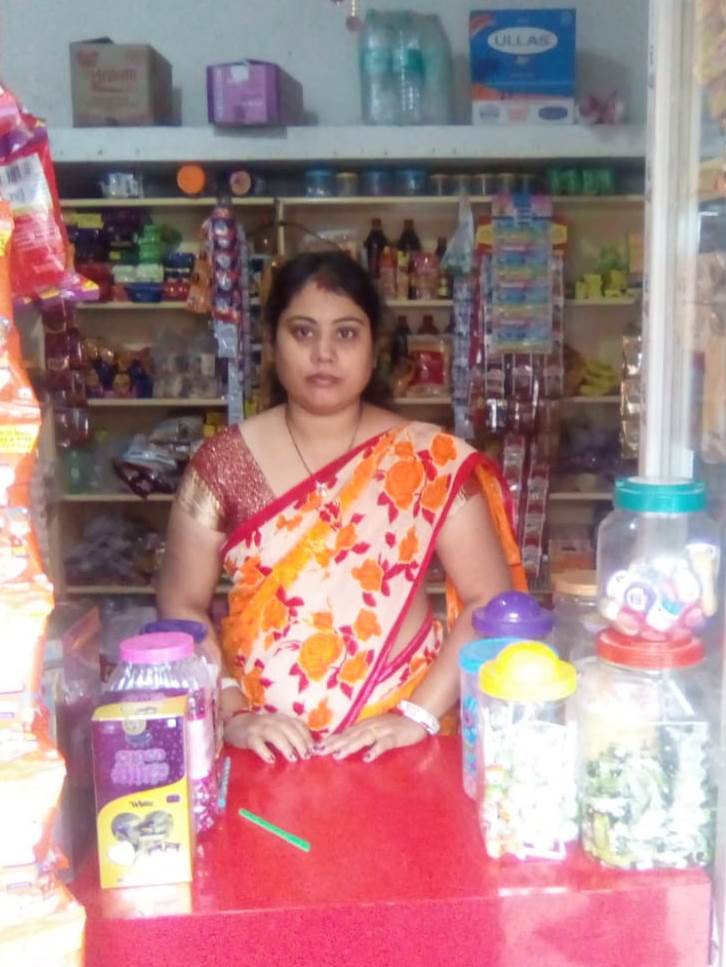
CASE STUDY-4 : WHERE THERE IS A WILL, THERE IS WAY
When health crises exhausted their savings, 33-year-old Preeti Singh from Birbhum stepped up to rescue her middle-class family after her husband, Santosh, was forced to sell his income-earning e-rickshaw to pay for severe gastroenterological treatments. Transitioning from a volunteer for the Sahara Utsarga Welfare Society (SUWS) women’s empowerment program to an active Self-Help Group (SHG) member, Preeti secured a microfinance loan to launch a grocery shop right out of her home. As her business flourished and her husband’s health fortunately recovered, she utilized a second loan to purchase a new e-rickshaw for Santosh, effectively doubling the family’s income. Today, her home-based shop is a thriving neighborhood staple, sustained by savvy credit tie-ups with local suppliers, while her income successfully funds coaching support for her Class VI son, securing a stable and prosperous future for her family.
CASE STUDY 5: HANDHOLDING FOR JUSTICE
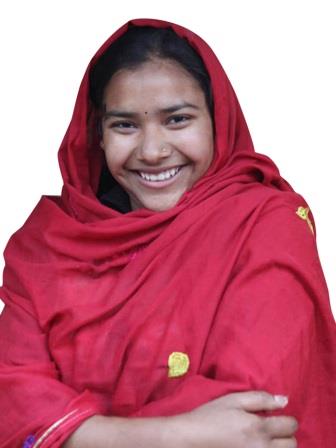
Suchitra, living in Nadia entered in a relationship at the age of 18 years with a person without the knowledge of her parents. Suchitra in love and passion oblige by giving him her gold ornaments and money. After a short time, he started threatening her and pressurized her to check in some papers. Later, it became apparent that Suchitra had actually signed on a wedding registration paper. The person now began to blackmail Suchitra regularly for money, saying he would tell her parents that they were ‘married’. After a short time, she had no option but to tell her parents about what had happened.
Suchitra and her parents lodged a case in the court. She and her parents were under immense pressure to settle the matter quietly and on any terms. However, Suchitra and her parents refused to succumb to pressure. They discuss with SUWS who in turn linked with a legal based NGO and the case was mentioned the State Legal Aid Services Authority. After a series of discussions, it had been decided that the matter would be settled through a legal decree to be affected though the Lok Adalat (People’s Court). Finally, after a struggle of quite two years, Suchitra was ready to get a decree that nullified the ‘so called’ marriage.. Suchitra now has a superb job and is settled and happy.
CASE STUDY 6 : THE OTHER WAY
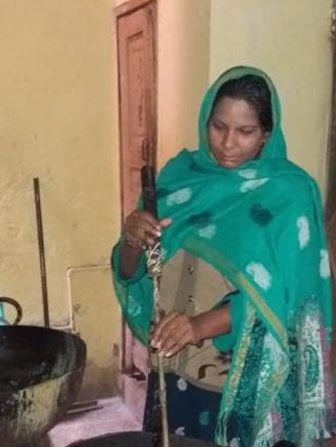
Najima is an illiterate women living in a remote village in Murshidabad. Her husband is a daily labour and most of the year he works in cold storage in other town. Although husband earns good but spent a large cgunk on liquor and gambling. Her elder daughter gets sick and doctor said that she is underweight. She once attend the meeting on nutrition and role of ICDS organized by SUWS. On that day she knew that why one should send their children to ICDS . Earlier she heard of this school only as a khichuri school. Soon she meets with the ICDS worker and enrooles her daughter’s name. From that onwards both her daughter avail ICDS services. Within four moinths her eldederdaughter’s problem gets rid off and the weight improves. She now act a volunteer of SUWS for mobiling the community to send their children in ICDS
CASE STUDY 7: PASSION LEADS TO SUCCESS
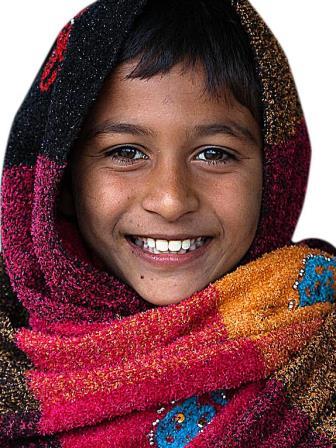
Loknath studying in class VII in a Government high school at Basirhat. 3 years ago at class VI he stopped going school as he was unable to follow the classroom teaching. He was the first generation learner in his family. He lost his father long back. His mother is an active borrower of SUWS. She discusses this matter to other women. SUWS arrange a free coaching center for Loknath and other poor children in the locality itself. All of them were provided with they copybooks, educational materials and a school bag. Next exam he scored good marks in aggregate. Loknath always wants to continue his education at least till Madhyamik.